

Pastoral Care
Pastoral Care is accompanying souls through life with the compassion, wisdom, presence, and love of Jesus Christ. Centered on Christ as the Good Shepherd, this discipline develops skills in listening, empathy, spiritual guidance, and leadership while respecting each person’s dignity, freedom, circumstances, and appropriate boundaries.
The following courses provide a foundation for understanding Pastoral Care: Relational Ministry, Common Pastoral Visits, and Complex Human Realities.
Relational Ministry

1.1 What is Pastoral Care?
Pastoral care in our church follows Christ’s example, guiding those entrusted to our care toward redemption and growth in His image with compassion, humility, wisdom, and respect for human dignity and free will.
Click here to download the Group Discussion Guide

1.2 Active Listening
This module unpacks listening as a Christ-centered pastoral discipline, emphasizing attentive presence, empathy, reflective communication, overcoming barriers, and discerning when to listen, guide, or refer for professional support while honoring appropriate boundaries and confidentiality.
Click here to download the Self-Study Guide

1.3 Serving and Leading
Explore Christian leadership as servant leadership, emphasizing Christ-centered service, humility, integrity, collaboration, accountability, and empowering every believer to serve according to their calling within the body of Christ.
Click here to download the Group Discussion Guide
Common Pastoral Visits

2.1 Holy Communion visit
This module addresses Holy Communion visitation, focusing on the sacrament’s theological significance, reverent celebration in the home or hospital, and pastoral presence that affirms the member’s unity with Christ and the congregation.
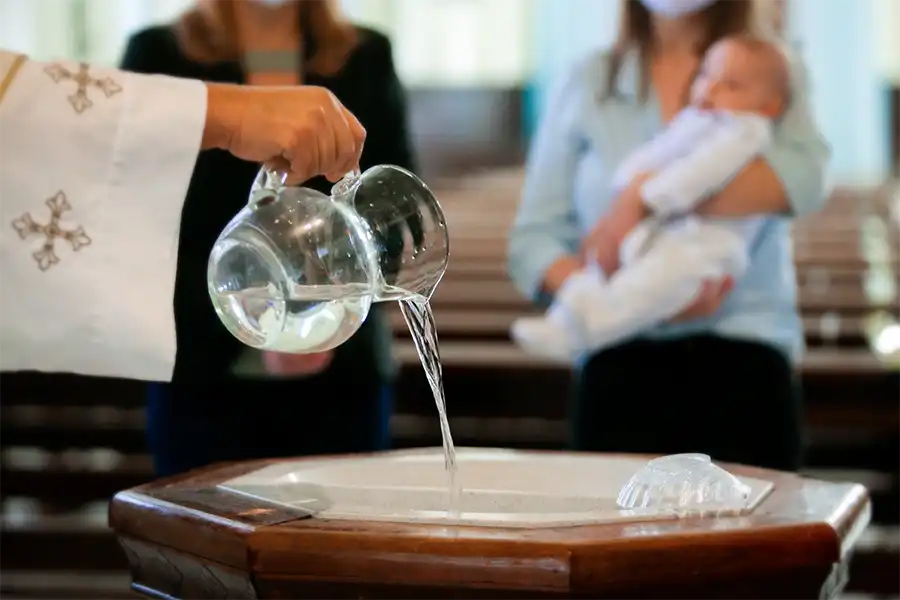
2.2 Holy Baptism preparation visit
This guide provides the intended structure and content for a baptismal visit. The sections within outline the essential themes that should be addressed, the questions that should be discussed, and the spiritual progression the visit should take.

2.3 Holy Sealing preparation visit
This module prepares you to accompany members through Holy Sealing by understanding its theological significance, relationship to the other sacraments, spiritual gifts and responsibilities, faith affirmation, liturgical process, and your pastoral role of supporting members and parents in their faith journey.

2.4 Adoption preparation visit
This module presents adoption as a pastoral and spiritual encounter centered on a person’s conscious profession of faith in Jesus Christ, commitment to life within the New Apostolic Church, and openness to God’s work of redemption through His Church and apostle ministry.
Complex Human Realities

3.1 Intro to Grief and Grief support
This self-study invites a prayerful and reflective reorientation to grief and bereavement, emphasizing perspective, personal formation, and pastoral presence rather than techniques or quick solutions.

3.2 Social Perspectives on Grief and Loss
This group discussion examines grief within its social, cultural, spiritual, and relational contexts, fostering a pastoral posture of attentiveness, patience, and empathy that honors loss and accompanies those who grieve.

3.3 Unique and Complicated Grief
This self-study deepens understanding of normal, complicated, and suicide-related grief, emphasizing the emotional, behavioral, and spiritual dimensions of loss and equipping you to respond with empathy, wisdom, sensitivity, and appropriate pastoral boundaries.

3.4 Conflict Resolution
This module examines conflict as an inevitable part of relationships and equips you with peacemaking tools to guide you and others from conflict toward reconciliation, peace, and restored relationships.

3.5 Pastoral Care and Mental Illness
This self-study provides you with compassionate guidance for accompanying members and families affected by mental illness, fostering confidence in pastoral care, understanding the role of professional psychotherapy, and pointing to God’s abiding love rather than attempting to heal.

3.6 End of Life
This module prepares you to navigate the ethical, spiritual, medical, and family challenges surrounding end-of-life and death, equipping you to provide compassionate, informed, and supportive pastoral care during these deeply emotional times.
- PLACEHOLDER Pastoral Care at the end of life
- Section 1: Introduction
- Section 2: Background Dying in the USA
- Section 3 - Pastoral Care for End of Life
- Section 4: A death in the family
- Scenario 1 - Brain Death
- Scenario 2 - Living Wills
- Scenario 3 - Choosing not to start care
- Scenario 4 - Stopping Care
- Scenario 5 - Withdrawal of Care for another
- Scenario 6 - Physician Assisted Suicide
- Closing Content
3.7 The Journey of Repentance
This discussion guide explores reconciliation as a way of life, calling believers to embody God’s grace through humility, compassion, forgiveness, personal responsibility, and the persistent pursuit of restored relationships within the community of faith.
3.8 Forgiveness as a Barometer of Spiritual Health
This discussion guide examines forgiveness as a reflection of God’s grace and a measure of spiritual health, encouraging honest reflection on bitterness, mercy, healing, and our call to extend forgiveness to others.
3.9 Pursuing Reconciliation
This discussion guide encourages you to reflect on Matthew 18 and the call to pursue reconciliation through humility, compassion, forgiveness, and the active restoration of relationships.